
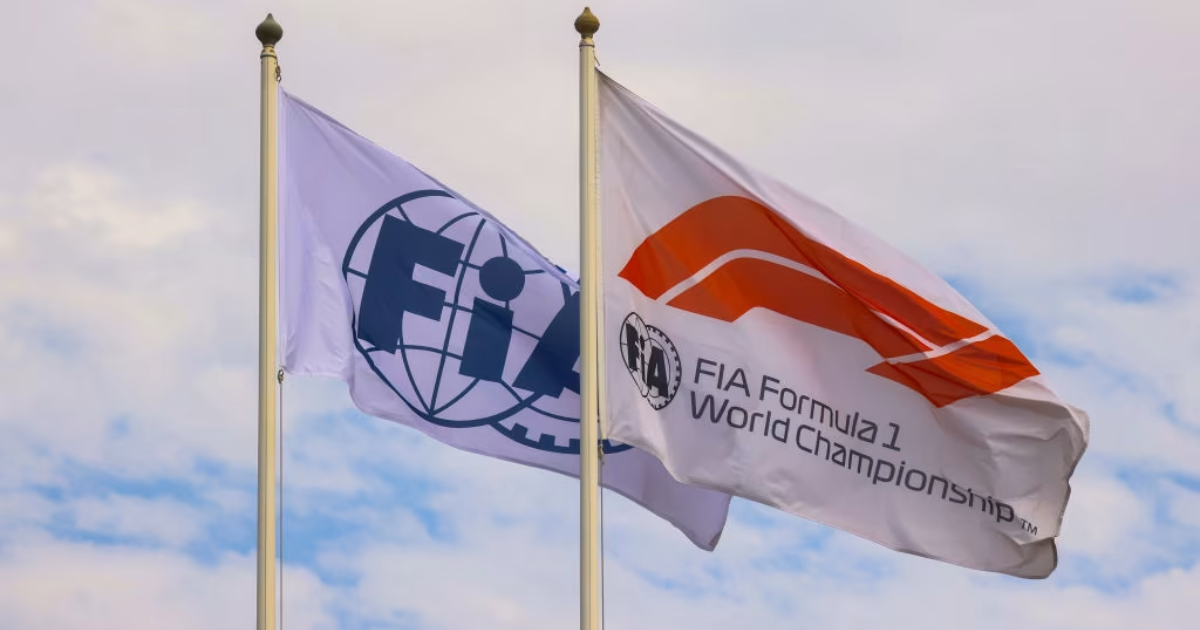
The FIA, Formula One Management (FOM), competing teams, and power unit manufacturers have officially reached a consensus on a comprehensive package of amendments to the Formula 1 Technical, Sporting, and Financial Regulations for the 2027 and 2028 seasons.
Announced ahead of the Barcelona-Catalunya Grand Prix, the landmark agreement introduces a phased shift toward increased internal combustion engine (ICE) power, aimed at correcting operational hurdles that have plagued the sport since the implementation of the ambitious 2026 power unit framework.
The revisions, which are set to undergo expedited formal ratification by the World Motor Sport Council on June 23 in Macau, represent a collaborative attempt to save qualifying and improve racing dynamics.
The Power Rebalancing: Structural Changes
The core of the issue dates back to the design of the 2026 regulations, which originally mandated a near-equal 53/47 power split between the traditional internal combustion engine and electrical hybrid power systems.
While technologically forward-thinking, this structure faced harsh criticism for over-relying on the hybrid battery pack. Drivers frequently found themselves short of electrical energy during competitive sessions, suffering severe power drop-offs once the battery systems drained.
To rectify this, the newly agreed package establishes a two-step, staged rebalancing of the ICE and Energy Recovery System (ERS) contributions across consecutive seasons. The adjustments are structured as follows:
| Regulation Metric | 2026 Baseline | 2027 Regulation | 2028 Regulation |
| ICE Maximum Power | 400 kW | 420 kW | 450 kW |
| Fuel Flow Increase | Baseline | 5% increase | 13% increase |
| MGU-K Maximum Power | 350 kW | 300 kW | 300 kW |
| MGU-K Max Harvesting | 350 kW | 375 kW | 400 kW |
| Power Split Ratio (ICE / MGU-K) | 53 / 47 | 58 / 42 | 60 / 40 |
By gradually decreasing the maximum electrical output of the Motor Generator Unit-Kinetic (MGU-K) to 300 kW while elevating the internal combustion output and fuel flow limits, the sport will achieve a 60/40 power split by 2028.
This structural pivot intends to make qualifying laps completely flat-out once again without hindering the entertainment value of Grand Prix racing.
Drivers React: “A Step in the Right Direction”
While Grand Prix drivers universally welcomed the regulatory retreat, the paddock’s reaction remained grounded and cautious.
Four-time world champion Max Verstappen, previously one of the loudest critics of the initial platform—having labeled it “anti-racing”—voiced approval of the direction but lamented the complex politics that delayed the decision.
“I do think it was nice to see that changes are being made, of course already this year, but then also next year. Of course, I would have hoped that next year would have been, let’s say, what we get in ’28. But at least the changes that we are making are heading into the right direction,” Verstappen commented in Spain.
Reigning world champion Lando Norris mirrored those sentiments, viewing the compromise as a necessary corporate balance.
“It’s a small step in the right direction… It’s not just what the drivers want in the end, it’s the business. But every team has to agree. So I’m at least happy that there was a push and a confirmation that we’re heading in the right direction.”
However, Cadillac driver Sergio Pérez offered a more cynical outlook regarding the physical driving experience, warning fans not to expect a total return to yesteryear.
“At the end of the day, we’re going to have the same engines, and it’s going to be very similar,” Pérez noted. “It’s not going to change the world. It’s never going to go back to what we used to have.”
Navigating Manufacturer Politics
The road to this agreement was highly contentious due to the competing commercial interests of engine manufacturers. Newer entrants, most notably Audi, initially opposed changing the 2027 rules. Having already sunk massive financial investments into building a power unit tailored to the exact 50/50 specifications originally outlined, late-stage alterations threatened to disrupt their development timelines.
McLaren’s Oscar Piastri acknowledged the immense difficulty in getting all corporate parties to compromise on the matter.
“It’s not an easy thing when they’ve just spent so much money and so much effort building one engine to then redo a lot of things for next year,” Piastri stated. “I fully get it would have been very tough, but I think clearly as a sport we recognize that change needed to happen. So it’s certainly better than nothing.”
Safeguarding the Sport’s Future
Despite the friction, FIA President Mohammed Ben Sulayem praised the paddock’s willingness to look at the bigger picture for the global health of the sport.
“Formula 1 has always evolved to meet new challenges and seize new opportunities,” Ben Sulayem said in an official statement. “These proposed changes reflect the collaborative work taking place across the sport to ensure the regulations continue to support exciting racing, technological innovation and long-term sustainability. The FIA has a responsibility to protect the future of the Championship, and these refinements are part of that commitment.”
With supporting measures also drafted to adjust race operations, power unit supply conditions, and corresponding budget caps, the governing body will now move quickly to grant teams maximum lead time to engineer their vehicles for the revised 2027 parameters.











“I never thought I’d enjoy training this much until joining Sportif. The coaches are supportive and really know how to bring out the best in you.”