
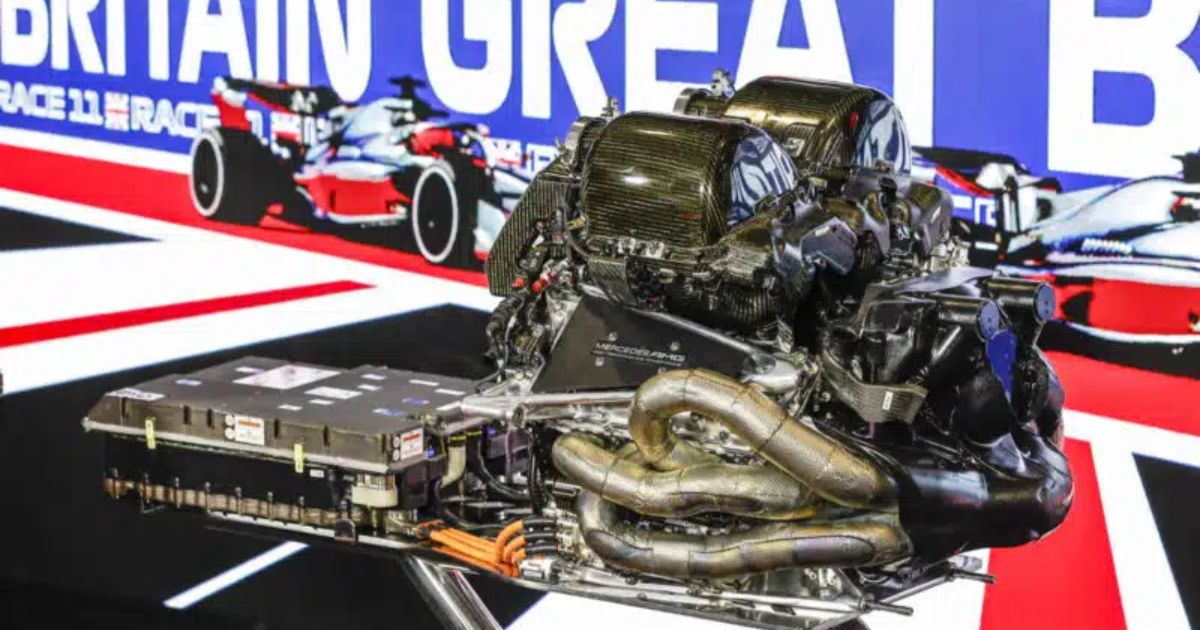
Formula 1 has unveiled a series of regulatory changes aimed at addressing growing concerns regarding the new engine regulations introduced this season. This move follows complaints from drivers who argue that the complexity of energy management in the new power units is overshadowing pure driving skill.
The 2026 power units feature an almost 50-50 split between internal combustion and electric power. The shift has been met with criticism, most notably from four-time world champion Max Verstappen, who previously hinted at reconsidering his future in the sport due to dissatisfaction with the new cars’ performance characteristics.
Key Qualifying Changes
Amendments for qualifying sessions aim to reduce excessive energy “harvesting” and encourage more consistent, full-throttle laps:
- Recharge Limit: The maximum energy recharge allowed during a single lap has been reduced from 8MJ to 7MJ.
- Super-Clipping: The maximum power recovered while a driver is at full throttle without using the battery has been increased from 250kW to 350kW.
- Low-Energy Circuits: The number of tracks subject to lower energy limits (specifically for circuits with long straights) has increased from eight to 12.
Enhancing Race Safety
During races, the focus shifts to mitigating the risks posed by sudden power differentials between cars, which can reach up to 470bhp.
- ‘Boost’ Power Cap: The specific boost mode is now capped at 150kW, or the existing level if it is already higher.
- Acceleration Zones: Cars are permitted to use the full 350kW electric output only in acceleration zones exiting corners, while being limited to 250kW on other parts of the track.
- Straight-Line Mode: Full 350kW power is allowed in designated “straight-line mode” zones, where front and rear wings are opened for maximum velocity.
Wet Weather & Start Procedures
- Wet Track Performance: Tire blanket temperatures are now permitted to be increased to improve initial grip. Additionally, rear lighting systems have been simplified to enhance visibility in spray.
- Race Starts: A low-power start detection system will be trialed in Miami. If a car is detected accelerating too slowly, the MGU-K will automatically activate to ensure a minimum acceleration rate, preventing rear-end collisions.
Most of these changes are set to debut at the Miami Grand Prix, scheduled for May 1–3. However, these regulations still await official ratification by the FIA World Council.











“I never thought I’d enjoy training this much until joining Sportif. The coaches are supportive and really know how to bring out the best in you.”